Why a "Fast and Cheap" Website Costs You More: The Hidden Security Risks
31.08.2026 · By Webixtan
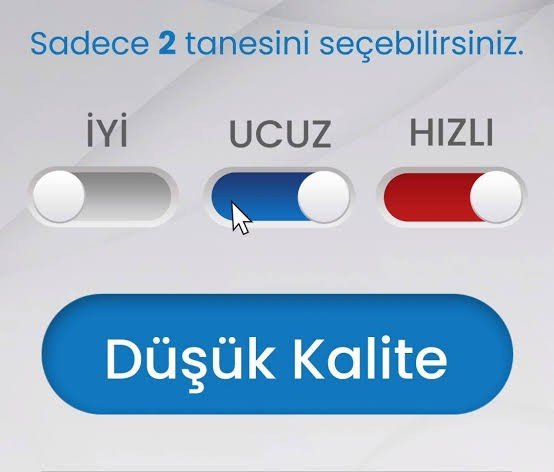
Building a website has never been faster or cheaper than it is today. Ready-made templates, AI-powered code generation tools, and "launch your site in 5 minutes" promises are everywhere. But behind that speed lies a gap most business owners never notice: security.
In this article, we explain what a "fast and cheap" website can really cost you, which security vulnerabilities get overlooked most often, and what you should ask before accepting any website delivery.
Why This Matters Right Now
AI-powered code generation tools can produce a website in a few hours, sometimes minutes. That's great for building a prototype. But code that goes straight into production without any security review can become a real liability for your business.
Here's the problem: a website can look like it "works" — pages load, forms submit, the design looks great — but that doesn't mean it's secure. Working and being secure are two completely different things.
The 6 Most Commonly Overlooked Vulnerabilities
The most frequent security gaps we see in websites are:
- CSRF (Cross-Site Request Forgery): Without a mechanism verifying that a form submission genuinely came from your own site, a malicious third party can send fake requests on your behalf.
- XSS (Cross-Site Scripting): If user-submitted data isn't sanitized before being displayed, an attacker can inject malicious code into your site.
- Plaintext password storage: Storing user passwords without any encryption puts every account at immediate risk in the event of a data breach.
- Unlimited login attempts: Without a lockout or slowdown mechanism, an automated script can try thousands of passwords against your admin panel in minutes.
- Authorization gaps (IDOR): If a user can access another customer's data simply by changing a number in the URL, that's a serious authorization flaw — and it's surprisingly common.
- Insecure file uploads: If an upload field only checks the file extension rather than its actual content, an attacker can disguise a malicious file as an image.
What Should You Do?
When accepting delivery of a website, don't hesitate to ask:
- Is there a login attempt limit on the admin panel?
- How are passwords stored?
- Do forms have CSRF protection?
- Is user input sanitized before being displayed?
- Has it been tested whether a user can access another user's data?
If you can't get clear, concrete answers to these questions, the site has likely never been through a security review — no matter how fast or cheap it was delivered.
How We Approach It at Webixtan
On every project we deliver, after the design and development stages, we run a separate security review — each of the six issues above is checked individually, and any vulnerability found is closed before delivery. That means your project arrives not just "working," but genuinely secure.
Speed matters. But it should never come at the cost of security.
Curious where your website stands on security? Get in touch — we'll run a quick security check on your existing site.
Related service
Website Maintenance & Support — A website needs upkeep even after launch: security updates, backups, performance monitoring. Webixtan keeps your site running smoothly behind the sce…
See it in practice: Gustaro — case study
Keep reading
Ready to Talk About Your Project?
If this gave you an idea, browse our packages or reach out directly.